Bodybuilding is often perceived as a sport defined by hours spent in the gym, lifting weights, and sculpting muscles. While consistent training is undeniably crucial, one aspect that is equally, if not more, important is diet. Without proper nutrition, even the most rigorous workout routines can fail to deliver optimal results. Diet in bodybuilding is not just about eating “clean” or “healthy”—it is about strategically providing the body with the right nutrients, in the right amounts, at the right time. This article delves deeply into why diet matters in bodybuilding, how it affects muscle growth, fat loss, energy, recovery, hormonal balance, and long-term health, and how bodybuilders can structure their nutrition for maximum results.
Diet as the Foundation of Muscle Growth
Muscle growth, or hypertrophy, is the cornerstone of bodybuilding. It occurs when muscle fibers undergo microscopic damage during resistance training, prompting the body to repair and strengthen them. This repair process is heavily dependent on nutrition.
Protein: The Building Block of Muscles
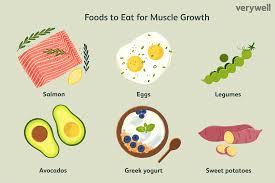
Proteins are made up of amino acids, which are the essential components for muscle repair and growth. After a strenuous workout, the body enters a state where it requires amino acids to rebuild muscle tissue. Without an adequate intake of protein, the body cannot efficiently repair damaged fibers, leading to slower muscle growth and even muscle breakdown.
- Recommended Intake: For bodybuilders, research suggests protein intake of 1.6–2.2 grams per kilogram of body weight daily is optimal. For example, a 75 kg (165 lb) individual may need between 120 and 165 grams of protein per day.
- Sources: Lean meats (chicken, turkey, beef), fish, eggs, dairy (milk, cheese, yogurt), plant-based options (lentils, beans, tofu, tempeh), and protein supplements like whey or pea protein.
Calories and Energy Surplus
Muscle growth requires energy. Even if protein intake is sufficient, a calorie deficit (consuming fewer calories than burned) can hinder hypertrophy. A moderate calorie surplus, combined with proper training, ensures that the body has enough energy to support muscle repair and growth.
- Example: Consuming 250–500 extra calories per day above maintenance can promote lean muscle gain without excessive fat accumulation.
Diet and Body Composition: Fat Loss vs Muscle Gain
Bodybuilding is not just about building muscle; it’s also about achieving a lean, defined physique. This requires careful management of body fat while maximizing muscle retention. Diet is the primary tool to achieve this balance.

Calorie Control
- Muscle Gain (Bulking): Requires a slight calorie surplus to fuel muscle growth.
- Fat Loss (Cutting): Requires a calorie deficit to shed fat while maintaining muscle. High protein intake is especially important during cutting to prevent muscle loss.
Macronutrient Balance
While protein is essential, carbohydrates and fats also play critical roles:
- Carbohydrates: Provide glycogen, the stored form of energy in muscles, fueling intense workouts. Complex carbs such as oats, brown rice, sweet potatoes, and whole grains are preferred.
- Fats: Necessary for hormone production, including testosterone and growth hormone, both of which are vital for muscle growth. Healthy fats are found in nuts, seeds, avocado, olive oil, and fatty fish.
Nutrient Timing
Strategically timing nutrient intake can enhance body composition:
- Pre-workout: Carbohydrates and some protein to fuel the session.
- Post-workout: Protein and carbohydrates to promote recovery and glycogen replenishment.
- Throughout the day: Balanced meals to maintain stable energy levels and nutrient availability.
Energy, Performance & Training Quailty
Even the best training program is limited by the energy you have during workouts. Diet directly influences performance, endurance, and strength.
Glycogen and Training Intensity
Muscles rely on glycogen for high-intensity lifting. Insufficient carbohydrate intake can lead to early fatigue, reduced strength, and lower training volume. Maintaining adequate glycogen stores ensures that bodybuilders can lift heavier, complete more reps, and stimulate maximum muscle growth.
Hydration
Water is often overlooked but is critical for performance. Muscles are roughly 75% water, and dehydration can reduce strength, endurance, and recovery. Drinking water consistently throughout the day and during workouts is essential.
Micronutrients
Vitamins and minerals are required for energy production, nerve function, and muscle contraction. Magnesium, zinc, iron, B vitamins, and electrolytes like sodium and potassium all influence training performance.
Recovery: The Role of Diet in Repair and Adaptation
Muscle recovery is a continuous process, and diet significantly affects how efficiently the body heals and adapts to training stress.
Protein Synthesis and Amino Acid Timing
Consuming protein throughout the day, not just post-workout, ensures a steady supply of amino acids for muscle repair. Studies suggest spreading protein intake over 3–5 meals can optimize protein synthesis.
Anti-Inflammatory Foods
Recovery isn’t just about building muscles; it’s also about reducing inflammation caused by intense training. Foods rich in antioxidants, such as berries, leafy greens, and nuts, can help mitigate oxidative stress and support faster recovery.
Carbohydrate Replenishment
Post-workout carbohydrates are important to replenish glycogen stores. Pairing carbs with protein post-workout enhances insulin response, which aids nutrient delivery to muscles.
Hormonal Optimization Through Diet
Hormones are critical regulators of muscle growth, fat loss, and overall performance. Diet plays a key role in maintaining hormonal balance.
Testosterone
- Adequate dietary fat, particularly monounsaturated and omega-3 fats, supports testosterone production.
- Micronutrients like zinc and vitamin D are also important for maintaining optimal testosterone levels.
Insulin
- Insulin is an anabolic hormone that helps shuttle nutrients into muscle cells.
- Balancing carbohydrate intake to avoid excessive spikes or prolonged deficits helps maximize its muscle-building effects.
Cortisol
- Chronic stress and inadequate nutrition can increase cortisol, a catabolic hormone that promotes muscle breakdown.
- Adequate calories, protein, and micronutrients help regulate cortisol and protect muscle tissue.
Long-Term Health and Sustainability
Bodybuilding is not just about short-term aesthetics; long-term health is crucial for sustaining performance and physical appearance.
Heart Health
- Diets high in whole grains, lean proteins, fruits, vegetables, and healthy fats support cardiovascular health.
- Avoiding excessive processed foods and sugars reduces the risk of heart disease and inflammation.
Bone and Joint Health
- Adequate protein, calcium, vitamin D, and healthy fats support bone density and joint function, preventing injuries.
Immune Function
- Intense training can temporarily suppress the immune system.
- A diet rich in vitamins, minerals, and antioxidants helps maintain immune resilience.
Mental Health
- Proper nutrition also supports brain function and mood, which are essential for motivation, focus, and adherence to training programs.
Practical Guidelines for Bodybuilders
To apply these principles, bodybuilders can follow structured nutrition strategies:
- Calculate Caloric Needs
Determine maintenance calories and adjust based on goals (slight surplus for bulking, slight deficit for cutting). - Prioritize Protein
Spread intake across meals, aiming for 20–40 g of high-quality protein per meal. - Include Carbohydrates Strategically
Focus on complex carbs for sustained energy and timing around workouts for performance and recovery. - Incorporate Healthy Fats
Include omega-3s and monounsaturated fats for hormone support and inflammation control. - Hydrate Consistently
Aim for 2–3 liters of water per day, more if sweating heavily. - Plan Micronutrient-Rich Meals
Include fruits, vegetables, and fortified foods to meet vitamin and mineral needs. - Adjust and Monitor
Track body composition, strength gains, and recovery. Adjust calories and macronutrients as needed.
- Common Mistakes in Bodybuilding Diets
Even well-intentioned bodybuilders can make dietary mistakes:
- Overemphasis on protein only: Muscle growth requires calories and carbs too.
- Underestimating calorie needs: Not eating enough can stall growth.
- Over-reliance on supplements: Supplements aid progress but should not replace whole foods.
- Ignoring nutrient timing: Strategic pre- and post-workout nutrition can enhance performance and recovery.
- Neglecting long-term health: Extreme diets may lead to deficiencies or hormonal imbalances.
- Supplements: Support, Not Replacement
While a solid diet should form the foundation, certain supplements can complement nutrition:
- Protein powders: Convenient for meeting daily protein targets.
- Creatine: Supports strength and muscle volume.
- Branched-Chain Amino Acids (BCAAs): Can aid recovery if protein intake is insufficient.
- Multivitamins: Fill minor gaps in micronutrient intake.
It’s important to remember that supplements are secondary; the majority of nutrition should come from whole foods.
Summary
In bodybuilding, diet is far more than a tool for weight management—it is the engine that drives muscle growth, performance, recovery, hormonal balance, and long-term health. Without adequate nutrition, muscles cannot repair, energy levels drop, recovery slows, and training results plateau. Conversely, a well-structured diet amplifies the effects of training, enhances body composition, and supports both physical and mental well-being.
Bodybuilders who understand and respect the importance of nutrition consistently outperform those who rely solely on training. By prioritizing protein, managing calorie intake, balancing macronutrients, timing nutrients strategically, and focusing on overall health, athletes can maximize their potential, achieve their aesthetic goals, and maintain sustainable performance throughout their careers.
In essence, while the gym may sculpt the body, the kitchen builds it. Proper nutrition transforms hours of hard work in the gym into visible, sustainable, and rewarding results. Bodybuilding success is achieved not just with strength, but with knowledge—knowledge of what fuels the body, when, and why.